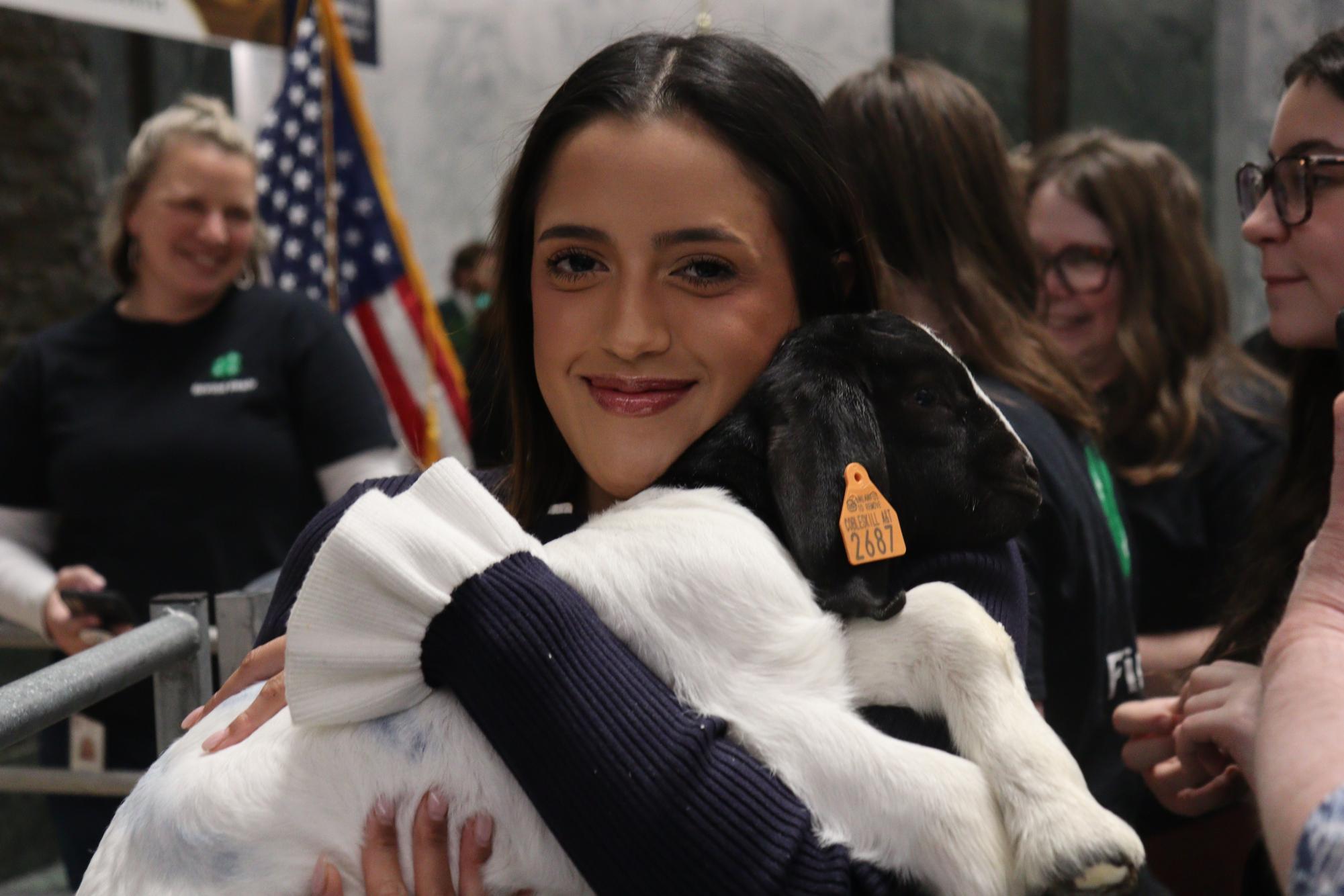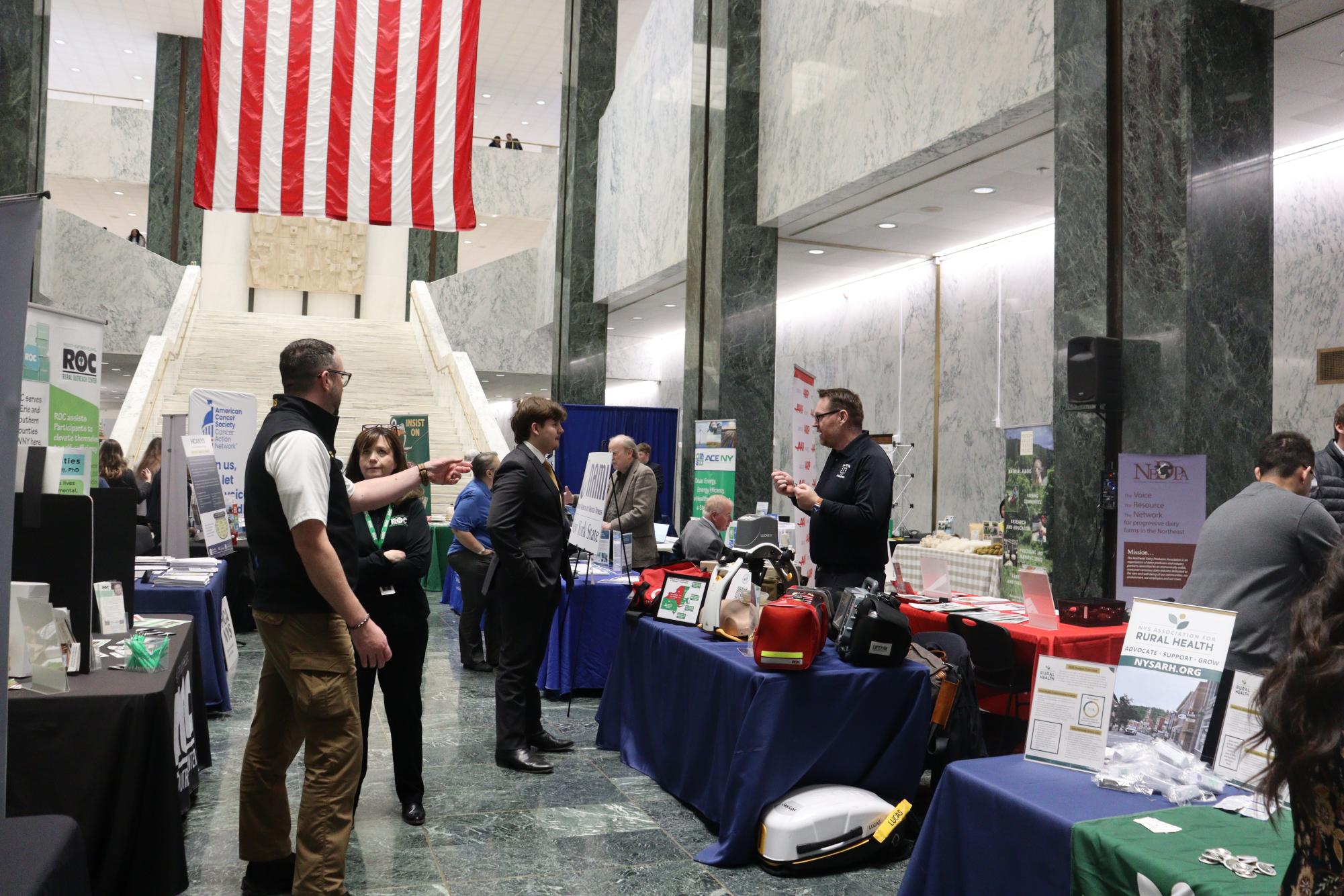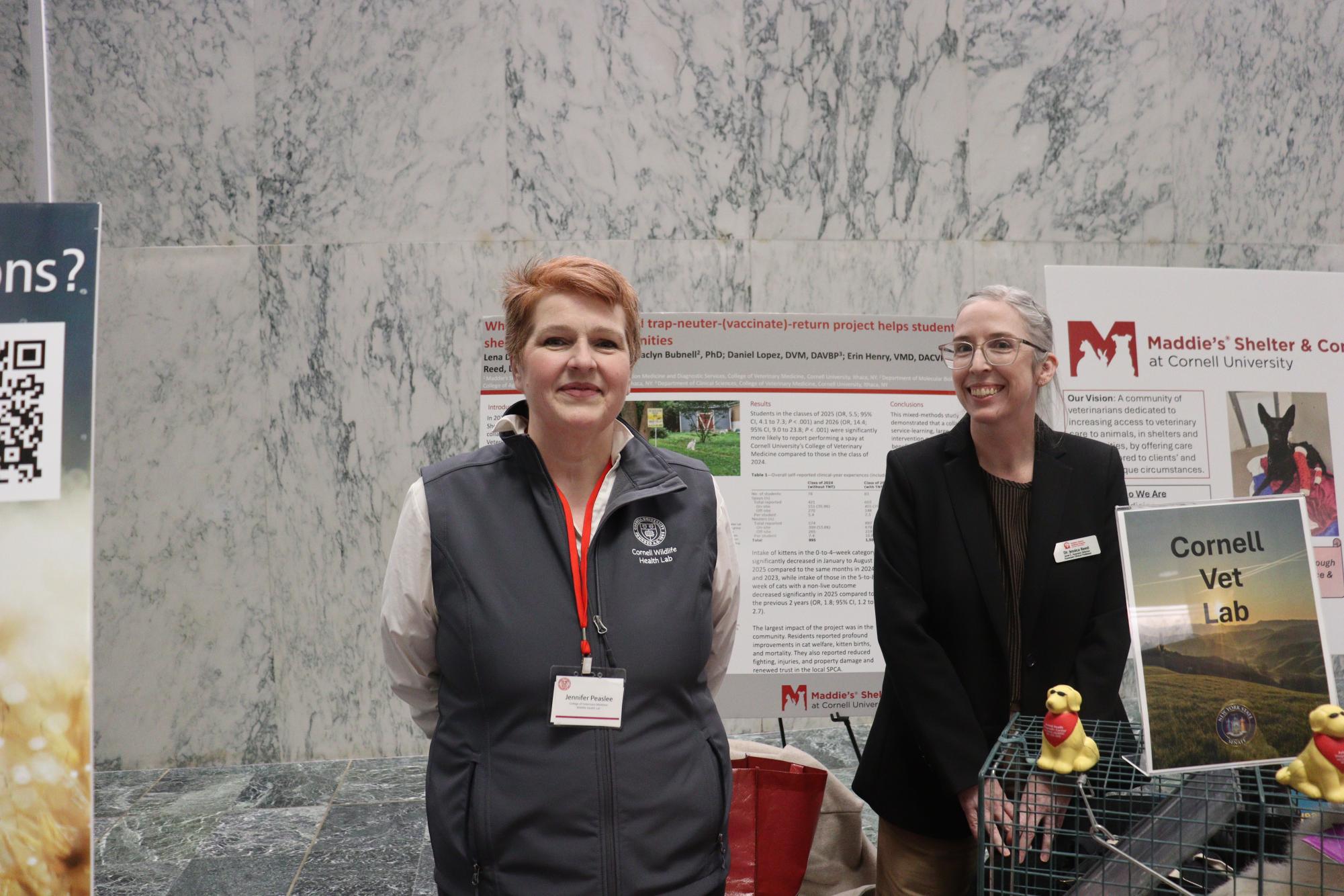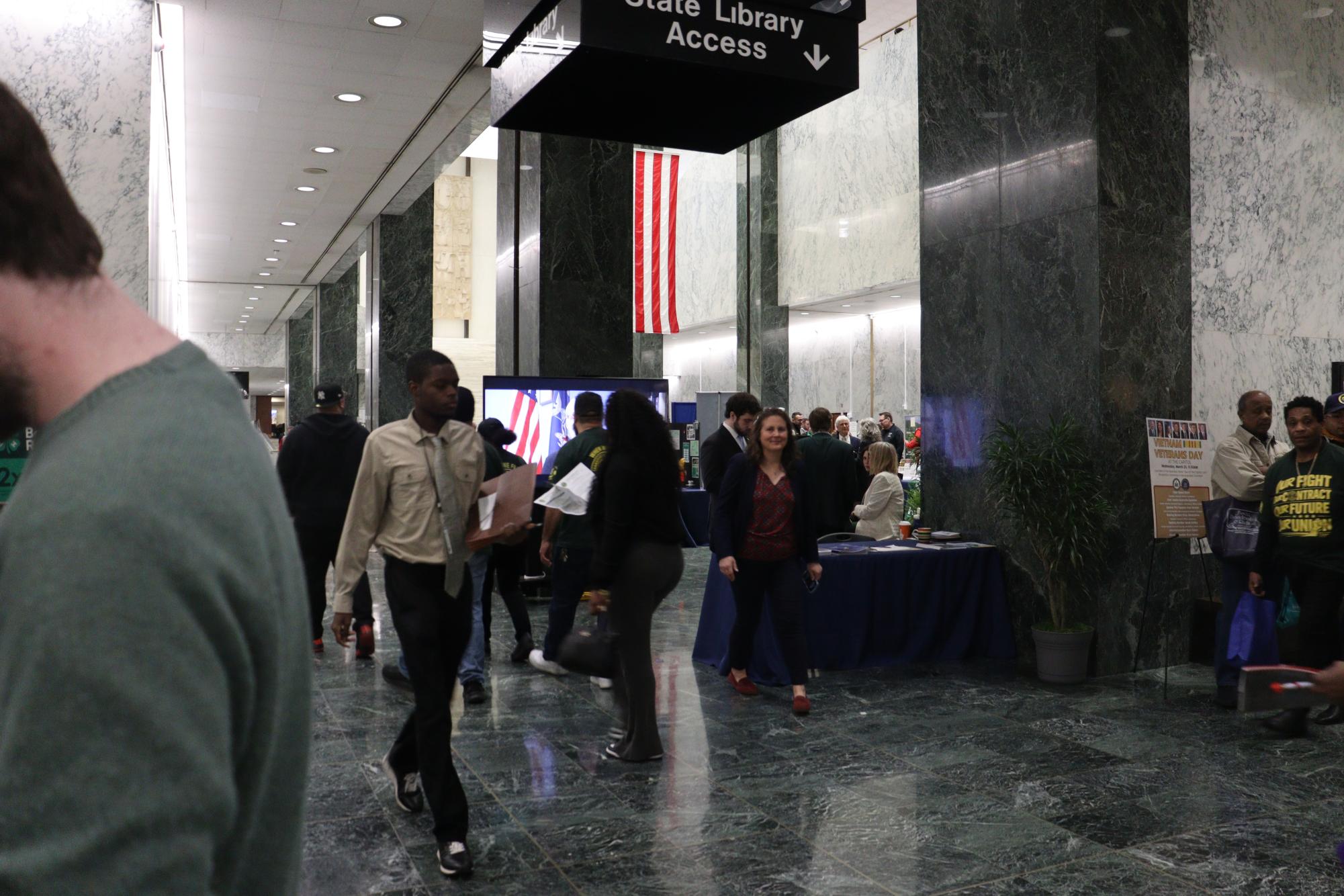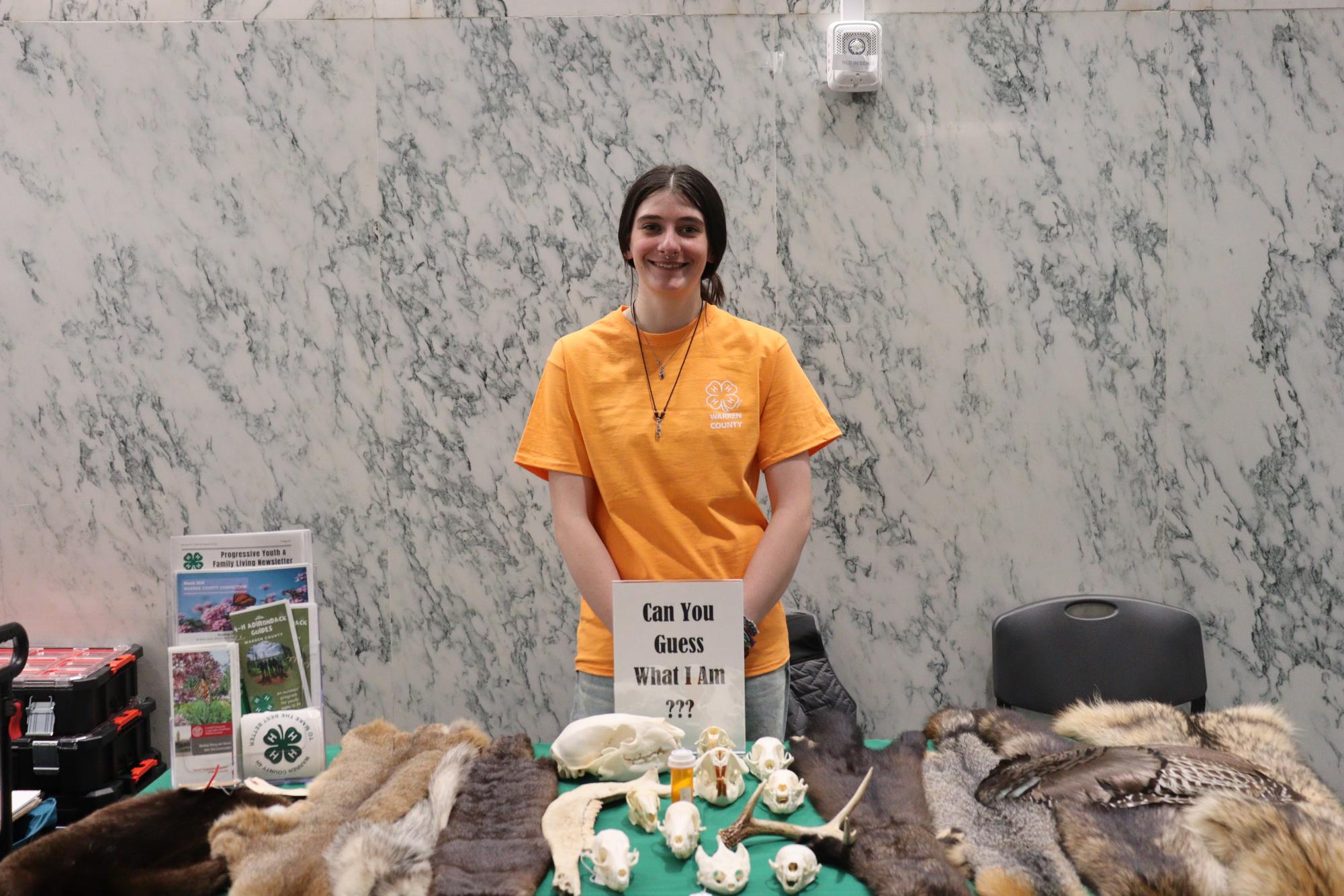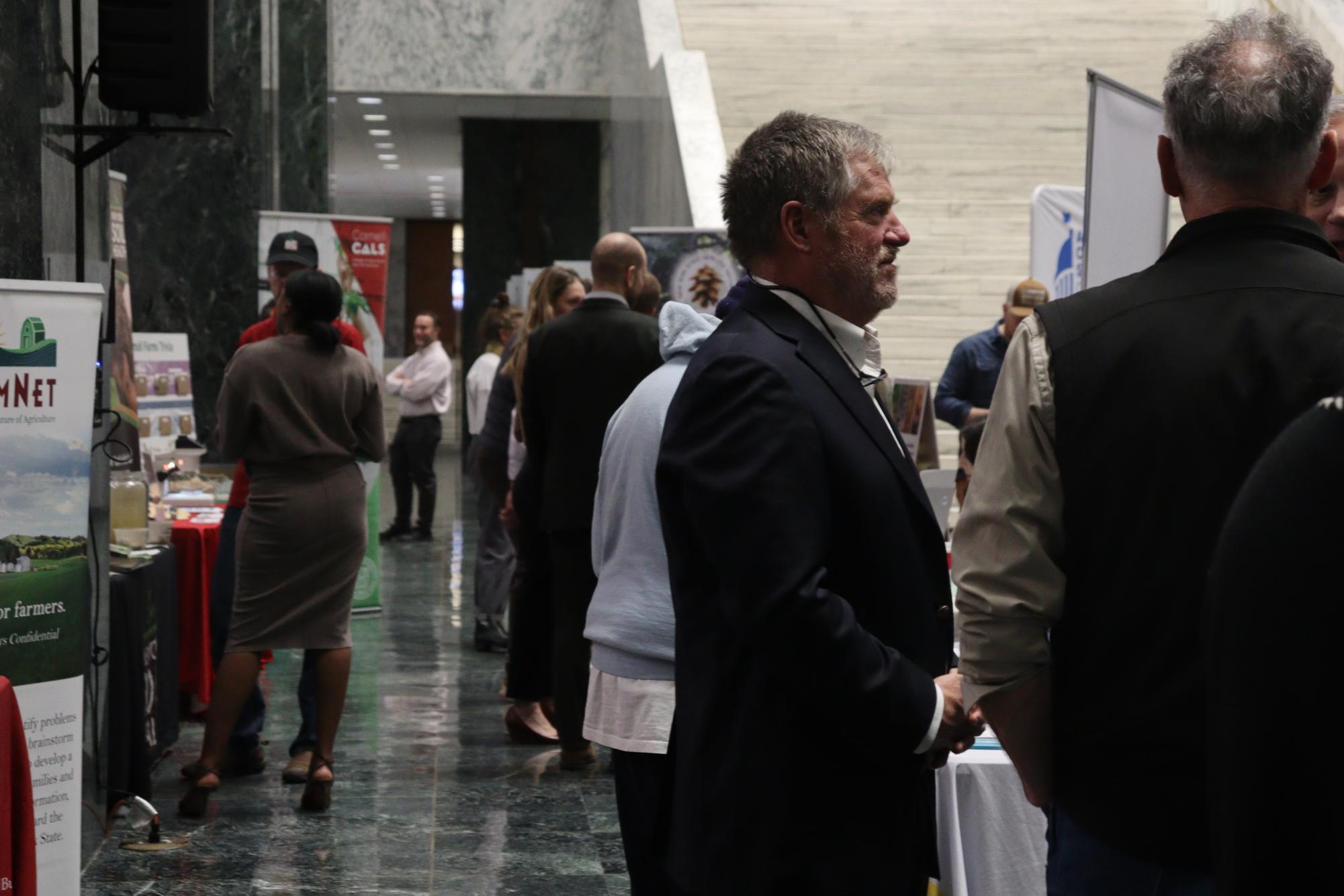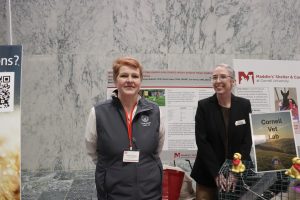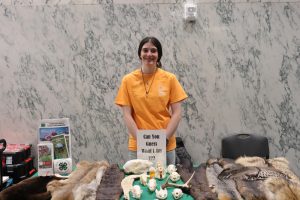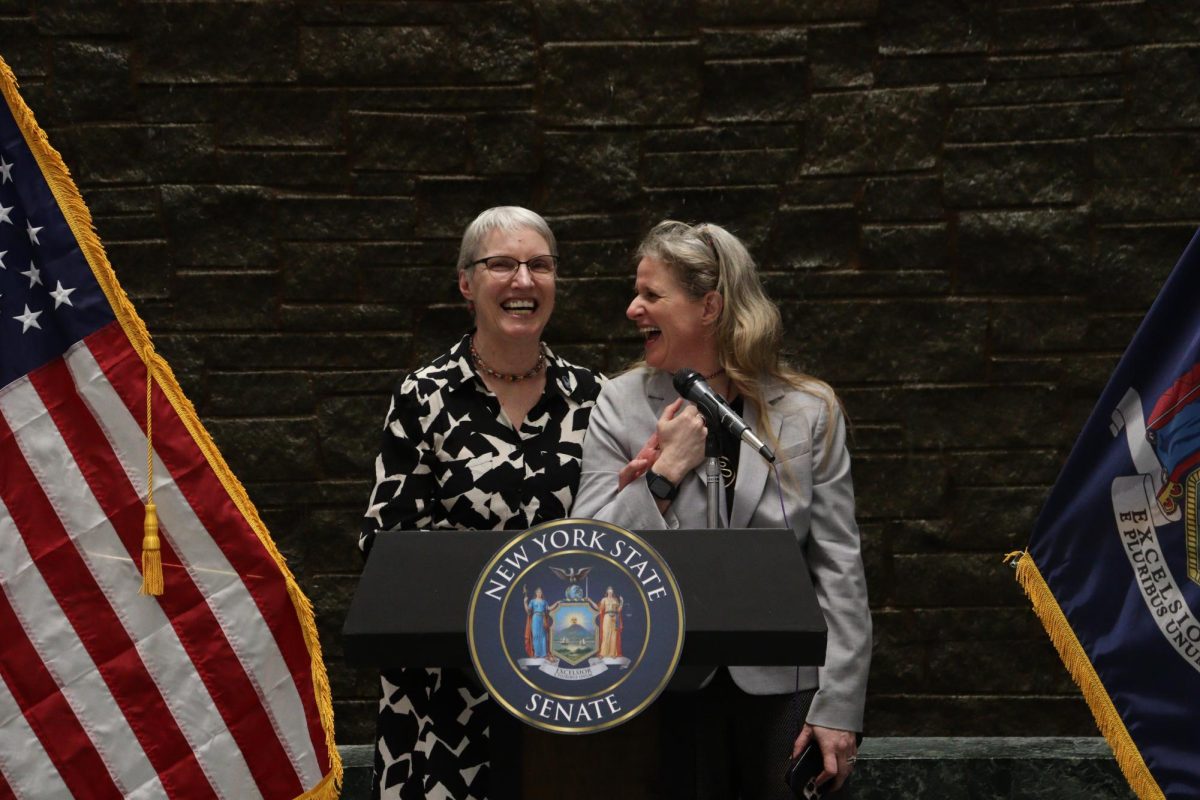
On March 25, Senator Rachel May and Assemblymember Dr.Anna Kelly hosted a rural resources fair at the state Capitol, highlighting the challenges faced by rural communities across New York. Kelly brought together organizations to highlight challenges facing rural communities across rural New York. Kelly said the event focused on improving rural representation and addressing issues such as transportation for the aging population, healthcare access, and higher costs for essential services.
Kelly said the event is meant to improve the representation from rural areas and bring attention to everyday struggles that are often overlooked. Youth participants shared testimonies about their experiences, aiming to raise awareness of rural life among policymakers. Organized by the state’s commission on rural resources, this event also served as a networking opportunity for organizations working across rural New York. Participants said that many policymakers lack firsthand experience with rural life, which can lead to gaps in understanding when decisions are made at the state level.
Assembly member Kelly adds that this strains rural survival, particularly in healthcare, where longer travel distances and limited infrastructure increase costs. ‘It is literally more expensive to provide the service,’ she said, adding that rural communities are ‘simply saying that we just don’t want to be left out and have a voice.
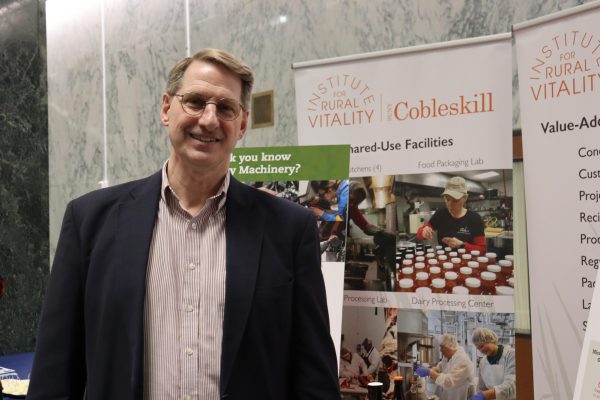
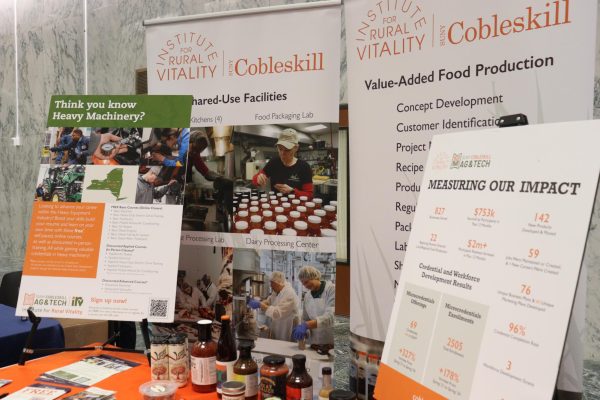
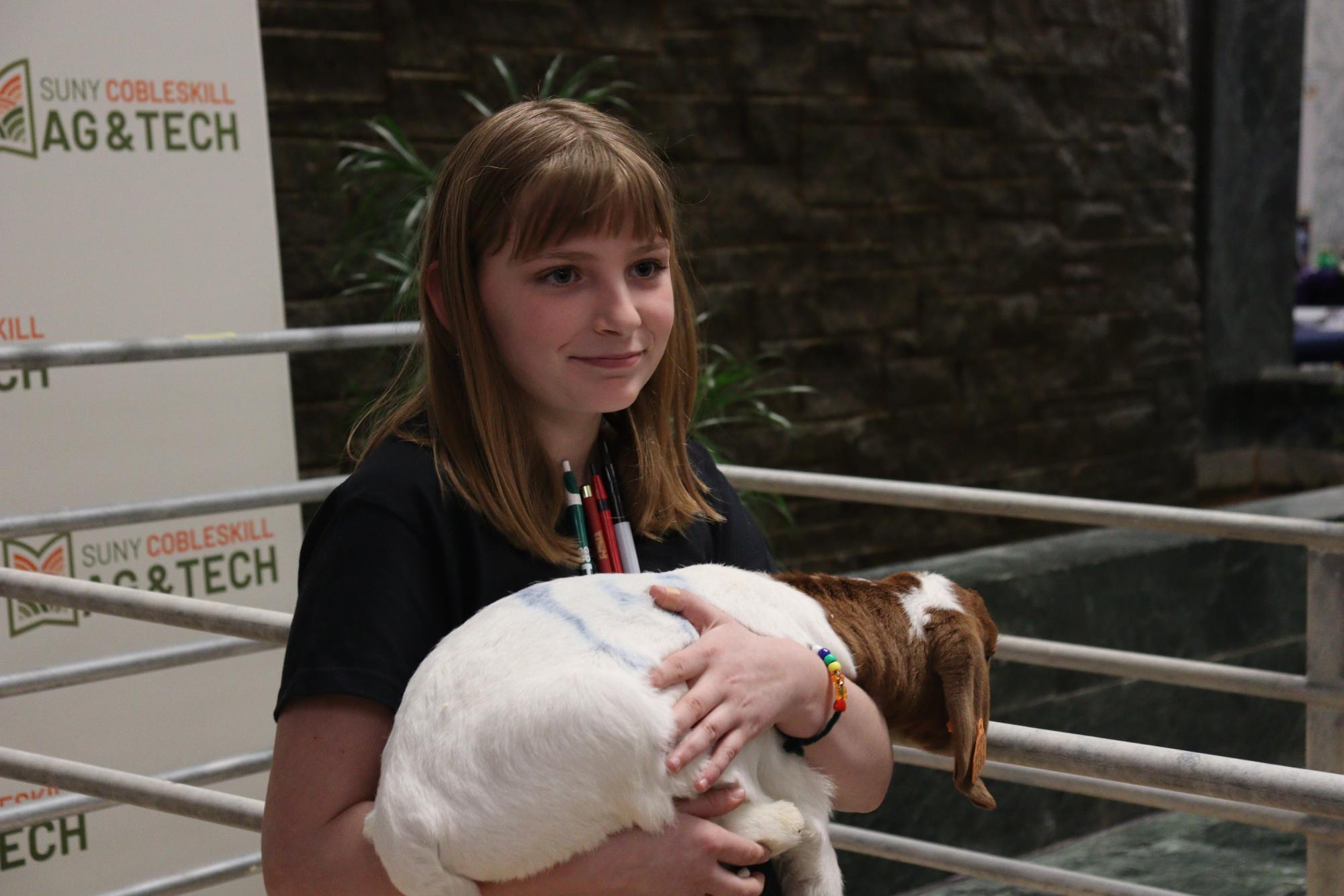
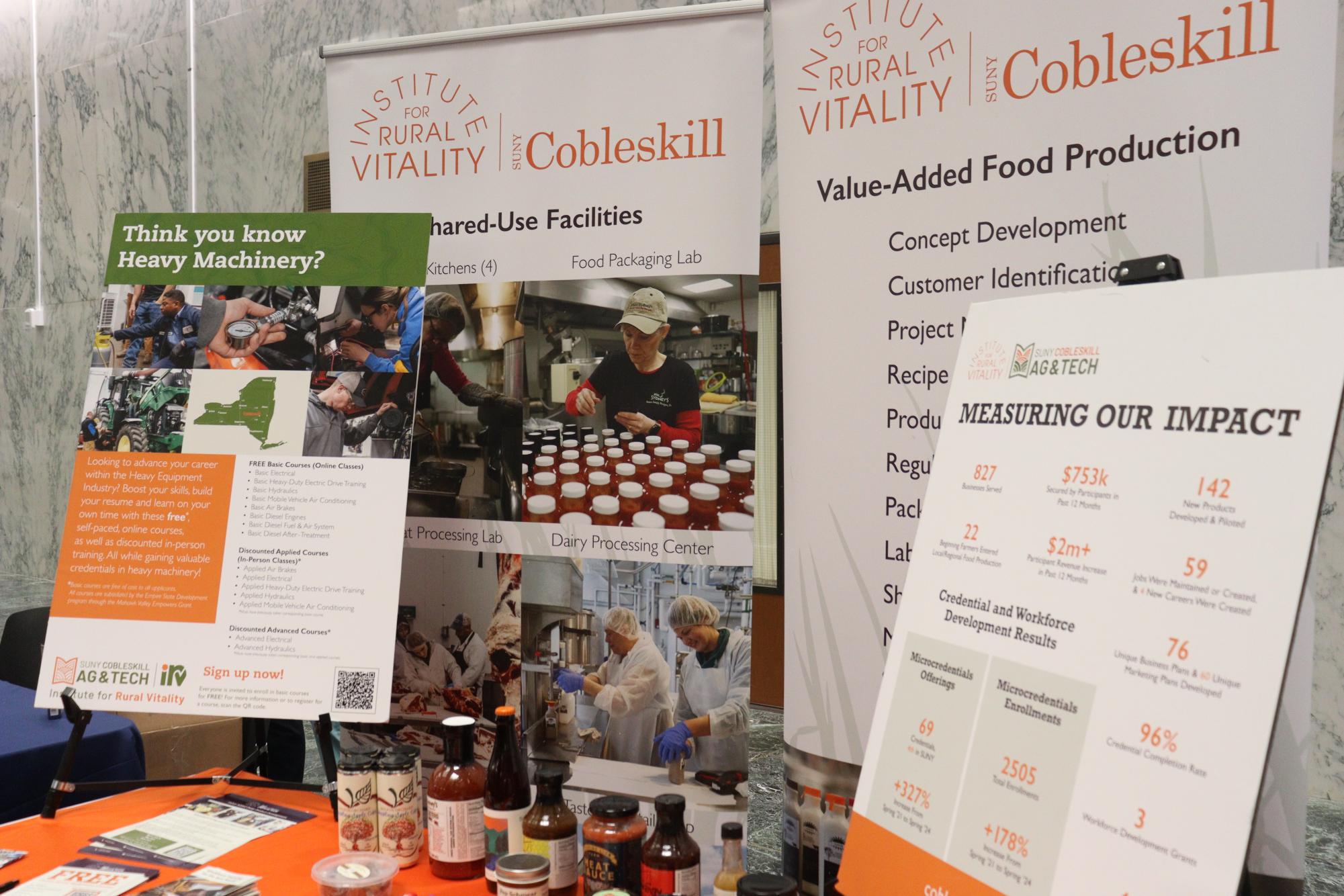
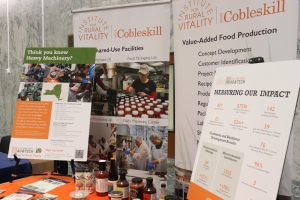
Dr. Scott Ferguson, executive director at SUNY Cobleskill, highlighted the college’s “hands-on,” career-focused education model, which includes programs in agriculture, animal science, and environmental studies. And said how it connects people to training opportunities. Ferguson said that the college operates working farms, greenhouses, and even a fish hatchery, mostly operated by students. With over one hundred years of experience, “We’ve been doing hands-on learning for over 100 years.” Ferguson said. He also pointed to the Institute for Rural Vitality, which supports small businesses and workforce training. He also pointed to the Institute for Rural Vitality, which supports small businesses and workforce training.
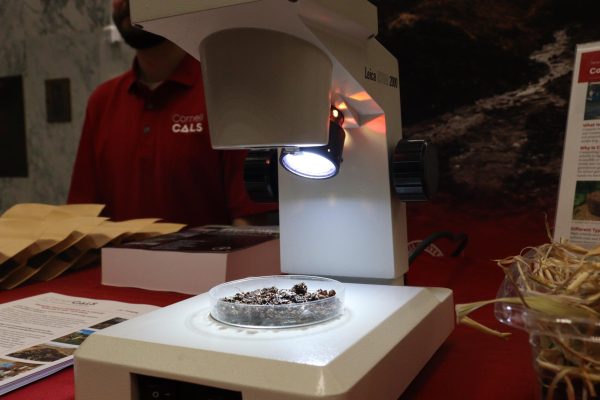
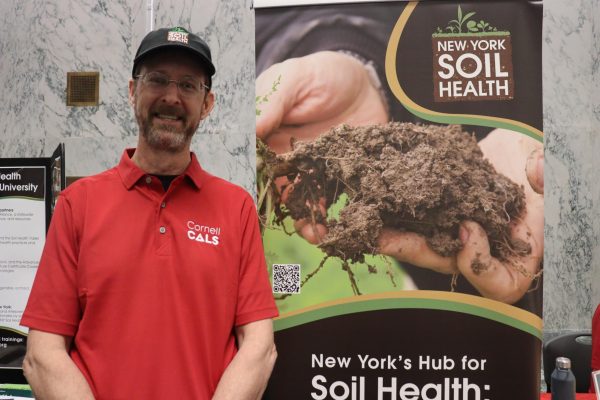
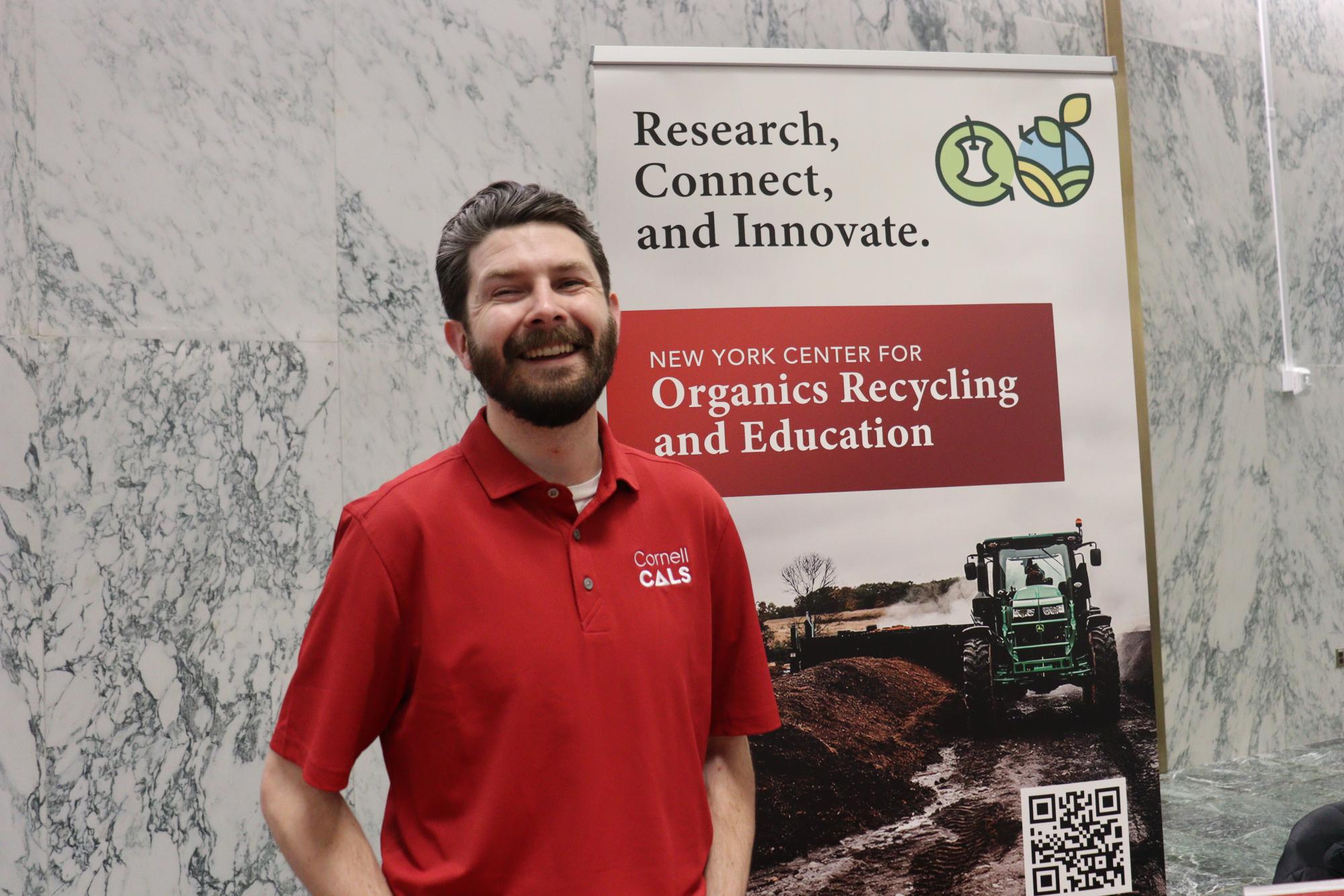
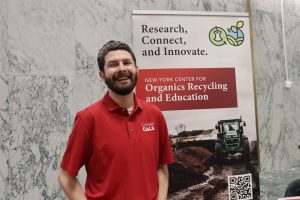
The New York Soil Health program, a Cornell-led initiative dedicated to improving soil health across the state, was on hand at the fair. They work with farmers, gardeners, and rural and urban communities to promote the use of sustainable methods such as reduced tillage and cover crops. At the event, they demonstrated how different soil management practices affect its structure and ability to hold moisture, showing that healthier soil can lead to better crop yields and greater environmental sustainability. Their goal was to show that improving soil health can lead to better crop yields and environmental sustainability. As Michael Glos, New York Soil Health research and extension technician, said, “Anything related to improving soil health—we’re working on it.”
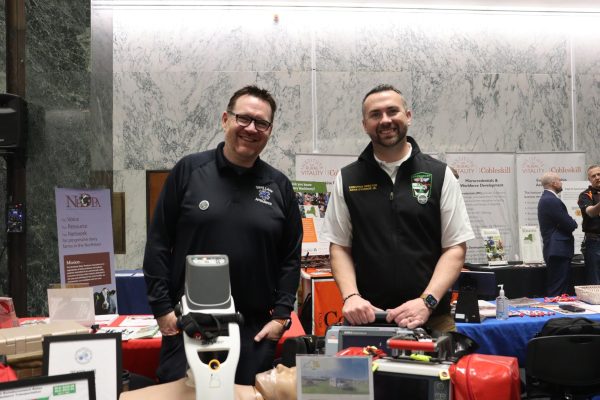 Craig McMillian and Aiden O’Connor, representing Emergency Medical Services (EMS) described training requirements ranging from 160 hours of training for EMTs to over 1500 hours for Paramedics. They demonstrated equipment that is being utilized by EMS providers, including an Automated Cardiopulmonary Resuscitation (CPR) machine that provides consistent compression during transport. They also discussed new legislation allowing ambulances to carry blood. Despite advancements, low Medicaid reimbursement rates continue to create problems for EMS services in New York.McMillian and O’Connor attended the event to advocate for emergency medical services and inform the public about both their capabilities and challenges. Craig and Aide: “This device can do CPR for up to 60 minutes without fatigue.”
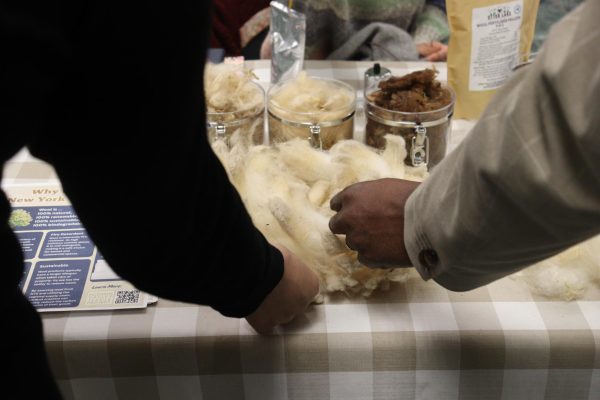
Shannon Zhang, representing the Hudson Valley Textile Project, a non-profit organization, works to rebuild New York’s local textile supply chain. This organization connects raw fiber producers to finished products. It also promotes awareness about where clothes come from. Founded in 2017, the organization has recently transitioned into a physical location where they are processing fiber, starting with cleaning. One of the major focus areas of this organization is advocating for reasonable compensation for farmers who produce raw fibers, and supporting consumers to purchase clothing produced from locally grown fibers. Shannon said,“There are a lot of gaps from raw fiber to finished product.” “We want people to be aware of where their fiber and clothes are coming from.”